
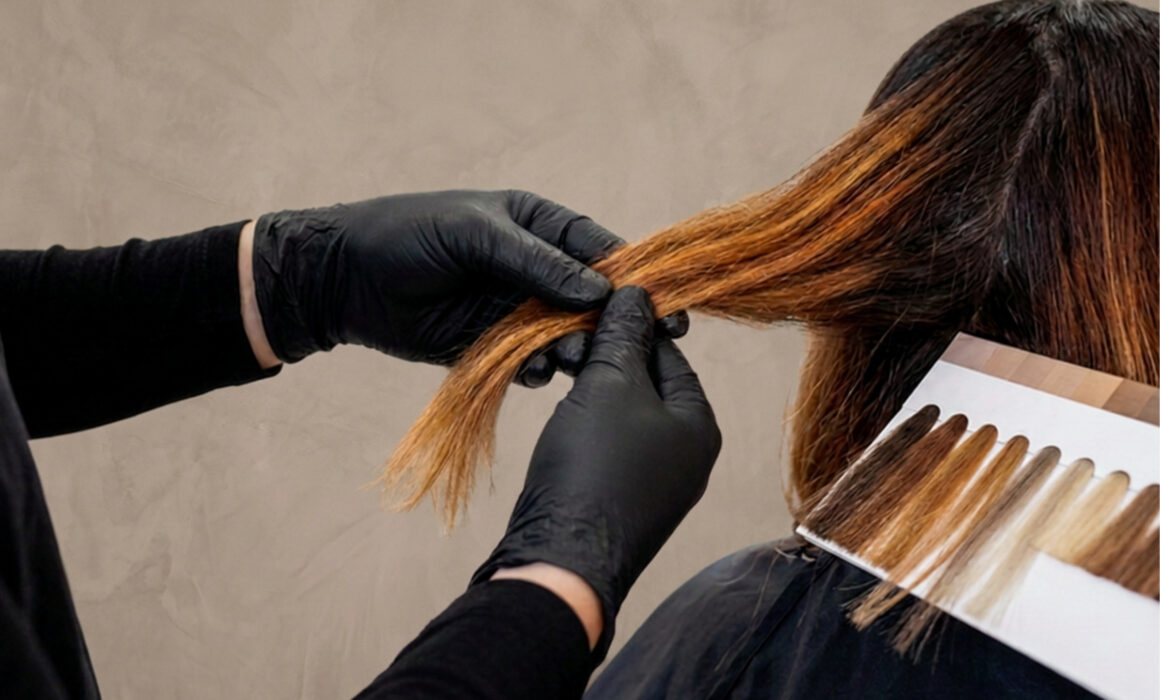
Hair Color Correction: What to Know Before Fixing Your Color
If your hair color turned out too dark, looks patchy, pulls brassy or orange, or has streaky highlights, the next step is not always another color application. These concerns can follow an at-home dye attempt, overlapping color, uneven lightening, or a previous service that did not match your goal.
Many unwanted color results can be improved with a carefully planned professional correction. The right approach depends on your starting shade, previous color history, hair condition, and desired result.
September can also be a useful time to reassess color after summer. Sun exposure, pool water, and time outdoors may leave color looking warmer or less even. For clients in Rye, New York, Ridgefield, Connecticut, Westchester County, and Fairfield County, early fall offers a natural point to discuss what your hair needs next.
Quick Answer: Hair color correction is a customized salon service for unwanted or uneven color, including overly dark dye, brassy tones, patchy sections, or uneven highlights. A stylist evaluates your starting color, previous services, and hair condition before recommending a plan. Depending on the situation, that plan may involve color removal, lightening, toning, glossing, lowlights, highlights, or supportive conditioning. Some corrections can be completed in one visit, while others may require multiple appointments.
Common Signs You May Need Hair Color Correction
Clients often look for professional color correction when a color problem is difficult to improve with routine maintenance or a simple refresh.
Common concerns include:
- Hair color that turned out much darker than expected.
- Uneven or patchy color through the roots, mid-lengths, or ends.
- Brassy, orange, or yellow tones that do not match the intended shade.
- Highlights that look streaky, harsh, or unevenly blended.
- Visible bands from overlapping at-home or professional color.
- A DIY color result you want evaluated before making another change.
Recognizing the specific concern helps your stylist determine whether you need a standard color service, a toner or gloss, or a more involved corrective plan.
What Is the Difference Between Hair Color and Color Correction?
A standard color appointment generally adds, refreshes, or adjusts tone when the starting point is relatively predictable. This can include services such as single-process color, highlights, balayage, or a gloss.
Hair color correction begins with an existing color problem. It may require more assessment, strand testing, targeted techniques, or a staged plan before the desired tone can be reached.
A correction may be discussed when the goal involves:
- Lightening color that has become too dark or heavily layered.
- Balancing brassy, orange, or yellow tones.
- Blending uneven or patchy color.
- Softening harsh bands or uneven highlight placement.
- Creating a more balanced starting point before a new color direction.
Why Hair Color Can Turn Too Dark, Brassy, or Uneven
Unwanted color can develop for several reasons. Understanding the starting point helps explain why two clients with similar-looking concerns may need different correction plans.
Pigment Buildup and Overlap
Repeated applications of color over the same areas can create darker bands or uneven depth. This is especially important to discuss if box dye or repeated root applications have overlapped onto previously colored lengths.
Warm or Brassy Tones
Warm tones can become more noticeable as color fades or after lightening. A toner or gloss may help in some cases, while other situations need a broader corrective plan.
Different Levels of Porosity
Previously lightened, sun-exposed, or chemically treated sections may respond differently to color. Your stylist considers these variations when deciding how to approach each area.
Common Hair Color Correction Scenarios
The technique used for color correction should be based on the starting point rather than a fixed formula. A consultation helps determine which options are appropriate for your hair.
Can a Salon Fix Hair Color That Is Too Dark?
In many cases, a professional stylist can help improve color that is darker than intended. The plan depends on the type of color used, how much pigment is present, your hair condition, and how light you want to go.
Your stylist may discuss an appropriate color remover or lightening approach while taking the condition of your hair into account. Applying more dark color over the result can make professional correction more complex.
Can Uneven Highlights Be Corrected?
Uneven or streaky highlights can often be refined, but the exact approach varies. Depending on the starting point, a stylist may use lowlights, root shading, toning, or carefully placed highlights. The goal is a more balanced result that supports your overall color plan.
Can Brassy Hair Be Professionally Corrected?
Brassy or overly warm color may be adjusted with professional toning or glossing when that is appropriate for the starting shade. If the warmth is tied to uneven lightening, heavy pigment buildup, or multiple previous services, your stylist may recommend a more customized correction plan.
How Do You Fix Uneven Hair Color?
Patchy color, visible bands, and uneven lightening usually require an area-by-area assessment. A stylist may recommend targeted lightening, depositing color, toning, glossing, or a combination of techniques. The specific plan should be based on what is already present in the hair.
Why Can Hair Color Correction Take More Than One Appointment
Some corrections can be completed in one visit. Others are better approached in stages, especially when the hair has several layers of artificial color or the target shade is much lighter than the starting point.
The number and timing of appointments can depend on:
- Your previous color and chemical-service history.
- Your current starting shade and any pigment buildup.
- The condition and porosity of your hair.
- How much lightening or tonal adjustment is needed.
- The result you want to work toward.
Some corrections may require multiple appointments spaced according to your hair’s condition and your stylist’s plan. A staged approach allows the stylist to reassess the hair and adjust the next step as needed.
Results You Can Expect From Professional Color Correction
Hair color correction is designed to address unwanted color, not to repair structural damage. The goal is to create a more balanced color result while working within the limits of your starting point and hair condition.
Depending on your correction plan, you may see:
- Less visible banding or patchiness.
- A reduction in unwanted brassy or orange tones.
- Highlights that appear more intentionally blended.
- A clearer pathway toward your target shade.
- More balanced color from one section of the hair to another.
If your hair also feels dry or over-processed, your stylist may recommend supportive conditioning or bond-care services based on its condition. These services can support manageability and feel, but they are separate from the color correction itself. Explore available conditioning and hair care services if your stylist recommends additional support.
When Should You Consider Professional Color Correction
A professional consultation can be useful when the issue involves more than a routine root touch-up or simple color refresh.
- Your hair is significantly darker than the shade you wanted.
- Your color looks patchy, banded, or uneven after an at-home application.
- Your highlights look streaky or do not blend with the rest of your color.
- Brassiness remains after your usual color-care routine.
- You want to move from a dark artificial shade toward a lighter result.
- You are unsure what service is appropriate and want a personalized plan first.
For clients in Rye, Ridgefield, Westchester County, and Fairfield County, a consultation can help clarify whether the next step is corrective color or a standard salon color service.
What Happens During Your In-Salon Consultation
A color correction appointment should begin with a detailed conversation and visual assessment. Your stylist reviews the current color, your hair condition, and the result you want to achieve before discussing possible next steps.
What Should I Tell My Stylist Before Color Correction?
Share as much of your previous color and chemical-service history as possible. Details that may be useful include:
- At-home box dye, henna, or other color products you have used.
- Previous professional color, glosses, highlights, balayage, or lightening services.
- Recent keratin, smoothing, perm, or other chemical services.
- Any areas that have been repeatedly colored or lightened.
- Your usual heat-styling habits and at-home hair care routine.
Even color that appears faded can still matter when your stylist is planning the next service. A clear history gives the stylist more information for building a carefully planned approach.
What Does a Strand Test Tell Your Stylist?
Your stylist may test a small, less-visible section before moving forward with significant lightening or correction. A strand test can provide useful information about how the hair may respond and whether the original plan should be adjusted.
Should I Stop Using Box Dye Before a Color Correction?
If your color is already uneven, too dark, or otherwise different from your goal, pause additional DIY color until a professional can evaluate it. Applying more color over an uneven result can make professional correction more complex.
Before your consultation, focus on keeping your routine simple:
- Pause additional DIY color: Avoid layering more pigment over the current result.
- Bring your color history: Share product names, photos, or approximate timing when you remember them.
- Reduce unnecessary heat: If your hair feels stressed, consider minimizing repeated high-heat styling before the appointment.
- Use gentle at-home care: Continue a color-safe cleansing and conditioning routine that works for your hair.
- Bring reference photos: Show both the result you want and any color outcomes you want to avoid.
Frequently Asked Questions
Can a salon fix hair color that turned out too dark?
In many cases, a professional stylist can help lighten or rebalance overly dark color. The options depend on the starting shade, the type of color used, pigment buildup, and the condition of the hair.
Can uneven highlights be corrected?
Uneven or streaky highlights can often be refined. Depending on the starting point, a stylist may consider lowlights, root shading, toning, or carefully placed highlights.
How many appointments does hair color correction take?
There is no fixed number. Some corrections can be completed in one appointment, while others may require multiple visits based on color history, starting shade, hair condition, and the target result.
What should I tell my stylist before a color correction?
Share as much of your previous color and chemical-service history as possible, including box dye, henna, glosses, highlights, lightening, smoothing services, and other recent treatments.
Should I stop using box dye before a color correction?
If your color is already uneven or unwanted, it is generally helpful to pause additional DIY color until a stylist can evaluate it. Adding more pigment can make the correction plan more complex.
Explore Your Hair Color Correction Options in Rye or Ridgefield
If your color is too dark, uneven, brassy, or streaky, a consultation can help clarify what is realistic for your starting point. The right plan may involve corrective color, highlights, toning, glossing, or another customized approach based on your hair and goals.
The Beauty Box NY team offers personalized color services at its locations in Rye, New York, and Ridgefield, Connecticut. You can explore services in Rye or review the Ridgefield service options to learn more about the services that may support your next step.